At Sabino Recovery, we help individuals heal from the lasting effects of childhood and developmental trauma through compassionate, trauma-informed care. Our approach focuses on addressing the root causes of emotional pain, not just the symptoms, so you can rebuild trust, regain balance, and rediscover peace.
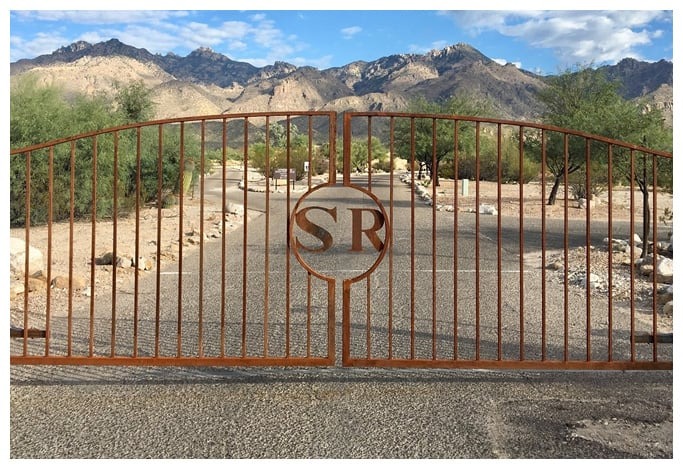
Our serene, 140-acre desert retreat in Tucson, Arizona offers the safety, privacy, and individualized attention you need to begin healing deeply and sustainably.
Start your healing journey today – contact our caring admissions team to learn more.
Developmental trauma occurs when a child experiences prolonged or repeated stress without a sense of safety or support. Unlike single-event trauma, developmental trauma is cumulative and builds over time through chronic exposure to neglect, conflict, or instability.
This form of trauma affects the developing brain, particularly areas responsible for emotional regulation, impulse control, and attachment. As a result, adults with developmental trauma may struggle with anxiety, self-esteem, trust, and emotional balance long after the original experiences have passed.
While childhood trauma may arise from distinct events such as abuse or separation, developmental trauma often involves persistent emotional deprivation or unpredictability during formative years. Both are deeply interconnected and can be healed through the right therapeutic care.
How Childhood Trauma Can Lead to Complex PTSD (CPTSD)
For many individuals, the effects of childhood or developmental trauma can extend into adulthood in the form of Complex PTSD (CPTSD). While PTSD often develops after a single traumatic event, CPTSD is associated with long-term, repeated, or relationship-based trauma—experiences that deeply shape a child’s sense of safety, identity, and connection.
CPTSD can emerge when a child grows up in an environment marked by chronic stress, emotional neglect, ongoing conflict, or unpredictable caregiving. Over time, the nervous system adapts to survive these overwhelming experiences, leading to patterns that may persist well into adulthood. Many people describe living with intense emotions, difficulty trusting others, or feeling disconnected from themselves—responses rooted in the body’s attempt to cope with prolonged distress.
Common experiences associated with CPTSD may include:
- emotional overwhelm or sudden shifts in mood
- a persistent sense of shame, guilt, or unworthiness
- challenges forming or maintaining healthy relationships
- feeling detached, numb, or “shut down”
- recurring reminders of early experiences
- difficulty setting boundaries or expressing needs
These patterns are not personal faults—they are protective strategies shaped by early experiences. Healing becomes possible when individuals finally have the safety, support, and compassionate care they didn’t receive in childhood.
At Sabino Recovery, our trauma-informed, individualized approach helps clients gently unravel these long-standing patterns and restore a sense of stability, trust, and connection within themselves. Each person’s healing process is unique, and our team works closely with clients to co-create a path toward genuine, lasting change.
For individuals who resonate with symptoms of CPTSD, exploring a supportive residential trauma treatment environment can help provide the depth and consistency needed for meaningful healing.
Learn more about our full residential trauma treatment program.
Signs and Symptoms of Childhood and Developmental Trauma
Trauma shows up in many ways, sometimes obvious and sometimes subtle. Recognizing these signs is an important first step toward healing.
Emotional and Cognitive Symptoms
- Persistent feelings of fear, shame, or sadness
- Sudden mood changes or emotional numbness
- Difficulty trusting others or feeling safe
- Low self-worth and chronic self-blame
- Trouble concentrating or remembering events
- Flashbacks or distressing dreams
Behavioral and Relational Symptoms
- Avoidance of relationships or emotional closeness
- Fear of abandonment or rejection
- Overdependence on others or excessive people-pleasing
- Impulsivity or self-destructive behaviors
- Difficulty expressing needs or setting boundaries
Physical and Somatic Symptoms
- Chronic tension, headaches, or digestive issues
- Fatigue and sleep disturbances
- Rapid heartbeat or hypervigilance (feeling constantly on alert)
- Unexplained body pain or discomfort
- Using food, substances, or work to manage emotional distress
Nationally Recognized & Accredited



Contact our Admissions Team Today



What Causes or Increases the Risk of Childhood and Developmental Trauma
Children are particularly vulnerable when safety, stability, or emotional support are lacking. Certain factors increase the likelihood of trauma developing early in life.
- Abuse: Physical, sexual, or emotional harm that disrupts a child’s sense of security.
- Neglect: Unmet physical or emotional needs that lead to deep feelings of abandonment.
- Domestic Violence: Witnessing conflict or violence within the home environment.
- Parental Substance Use: Instability or neglect caused by addiction.
- Parental Mental Illness: Emotional unavailability or unpredictable caregiving.
- Loss or Separation: Divorce, death, or foster placements that break attachment bonds.
- Chronic Illness or Disability: Medical challenges experienced without emotional support.
- Unstable Caregiving: Frequent changes in guardians or unstable home environments.
Understanding these risk factors is essential not for blame but for healing. When we identify the origins of distress, we can begin to repair what trauma once disrupted.

Trauma and Co-Occurring Conditions
Unresolved trauma often intertwines with other mental health or behavioral conditions. Recognizing and addressing these connections is central to recovery at Sabino Recovery.
Dual diagnosis treatment is important, because you need to treat the whole person, not just a singular problem.
Trauma and Mental Health Disorders
Trauma can increase the likelihood of depression, anxiety, and personality disorders. Many people with early trauma report feeling disconnected or numb, struggling to find purpose or joy. Treating the underlying trauma helps alleviate these symptoms and supports long-term emotional resilience.
Trauma and Addiction
For many, substances, food, or other coping behaviors serve as temporary relief from emotional pain. Sabino Recovery’s integrated trauma and addiction programs help clients replace these coping mechanisms with healthier emotional regulation, restoring balance between body and mind.
Trauma and Attachment Challenges
Trauma can alter how we connect with others, often leading to fear of intimacy, avoidance, or dependency. Healing attachment wounds helps restore a sense of trust, both in relationships and within oneself.

I am so happy that I chose Sabino to begin my recovery. I have suffered for years from depression, anxiety, panic disorder, and PTSD. The programs that are offered here at Sabino have been truly phenomenal in helping me recover. I also appreciated the professional staff that are here on duty 24/7, which helps create a safe environment. Sabino Recovery uses effective “one on one” methods that meet each person’s individual needs because they evaluate and have a better understanding of your personal traumatic experiences. Thanks Sabino, I am truly grateful to you and the sabino family.
Regina


Trauma Treatment: Our Integrative Approach
Healing trauma requires both clinical expertise and genuine human connection. At Sabino Recovery, our Trauma-First Philosophy ensures that we address the source of emotional pain before focusing on symptoms. Every treatment plan is customized, reviewed daily, and adjusted weekly to align with each client’s progress.
Each client receives more than ten individual therapy sessions per week, combining clinical, experiential, and holistic modalities. This level of individualized care allows for deep, sustainable healing.
Our treatment approach helps you:
- Understand and process traumatic experiences
- Rebuild safety, trust, and emotional regulation
- Develop coping tools for triggers and stress
- Reconnect with your authentic self
Connect with our admissions team to explore your personalized trauma treatment plan in Tucson.

Therapies and Modalities at Sabino Recovery
Our comprehensive trauma treatment integrates evidence-based practices with holistic mind-body healing. Each modality supports recovery from a different angle, helping you reconnect, rebuild, and restore balance.
Evidence-Based Therapies
- EMDR (Eye Movement Desensitization and Reprocessing): Reprocesses traumatic memories and reduces emotional distress.
- Brainspotting: Accesses deep emotional regions of the brain for targeted healing.
- Cognitive Behavioral Therapy (CBT): Identifies and reframes negative thought patterns.
- Dialectical Behavior Therapy (DBT): Builds emotional regulation and interpersonal effectiveness.
Somatic and Mind-Body Therapies
- Somatic Experiencing: Helps release trauma stored in the body.
- Neurofeedback: Supports healthy brain regulation and reduces hyperarousal.
- Mindfulness & Meditation: Encourages presence, grounding, and self-compassion.
Experiential and Family Integration
- Equine-Assisted Therapy: Builds trust, empathy, and emotional awareness.
- Group Therapy: Provides connection, validation, and shared growth.
- Family Program: Strengthens communication and supports relational healing.
Every aspect of treatment at Sabino Recovery is co-created with each client, ensuring that care feels personal, empowering, and restorative.
Connect with our admissions team to explore your personalized trauma treatment plan.
Why Healing at Sabino Recovery in Tucson Works
Our philosophy is simple yet powerful: healing the root, not just the symptom.
At Sabino Recovery, we follow a Trauma-First Philosophy, meaning all care begins by addressing the underlying trauma that fuels emotional distress, addiction, or relational challenges.
We combine this with True Individualization, offering more one-on-one therapy than nearly any other residential center—over 50 personalized sessions during an average stay.
Our integrative approach blends clinical expertise and natural healing in a private desert environment designed for calm, reflection, and renewal.
Proven Impact
- 70% of clients report trauma symptoms at intake; after treatment, only 26% continue to experience them.*
- Depression symptoms decrease from 79% to 16%, and anxiety from 74% to 20%.*
- 94% of clients complete treatment and report feeling supported and cared for.*
(*Vista Point 2024 Data)
When you choose Sabino Recovery, you’re choosing a team that understands trauma deeply—and believes lasting healing is possible.

Begin Your Healing Journey
Healing from childhood or developmental trauma takes courage, and you don’t have to do it alone.
At Sabino Recovery, our caring team is here to walk with you through every step of your healing journey. Together, we’ll help you rediscover safety, self-trust, and peace within yourself.
Reach out to our admissions team today to begin your healing journey in our peaceful Tucson retreat.